

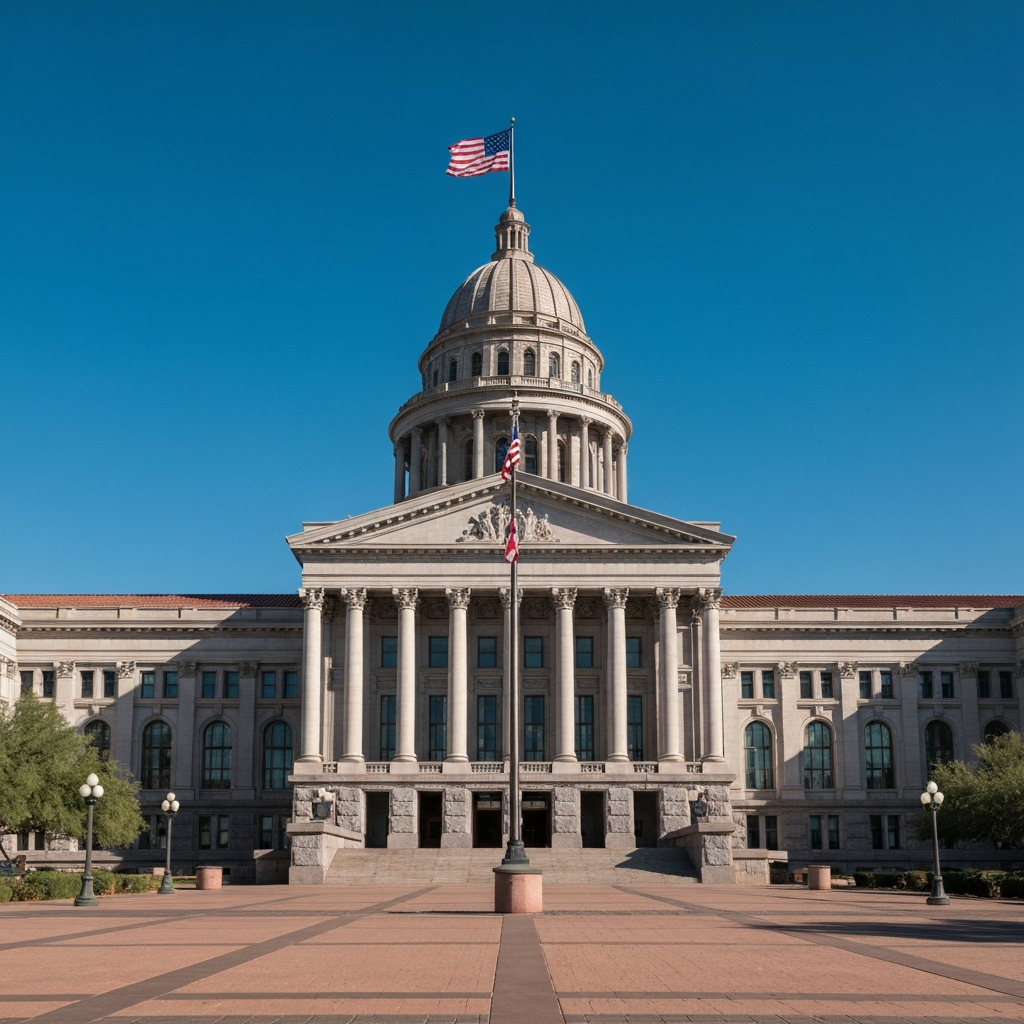
Arizona has emerged as a significant player in the national political and economic arenas, driven by its evolving demographics and diversified economy.
Political Landscape
Historically a Republican stronghold, Arizona’s political dynamics have shifted in recent years. As of July 2025, registered voters comprised 35.7% Republicans, 28.4% Democrats, and 34.1% unaffiliated or other parties. This diversification has transformed Arizona into a battleground state, with both major parties vying for influence. The state’s growing population and increasing diversity contribute to this evolving political landscape.
Economic Growth and Diversification
Arizona’s economy has expanded beyond its traditional reliance on the “Five C’s”—copper, cotton, cattle, citrus, and climate. In 2023, the state’s gross state product reached $508 billion, with significant contributions from health care, transportation, and government sectors. The per capita income stood at $61,652, ranking 33rd nationally. Additionally, Arizona exported over $45 billion in goods and services, supporting more than 830,000 jobs, which accounts for 20% of all jobs in the state.
Impact on Glendale
For Glendale residents, these statewide trends have tangible effects. The city’s proximity to Phoenix positions it to benefit from economic growth and political developments. As Arizona continues to attract businesses and residents, Glendale may experience increased investment, job opportunities, and cultural enrichment. However, this growth also presents challenges, such as infrastructure demands and the need for inclusive community planning.
Understanding Arizona’s evolving role on the national stage is crucial for Glendale’s community members. Staying informed about these changes enables residents to actively participate in shaping the city’s future within the broader context of state and national developments.